

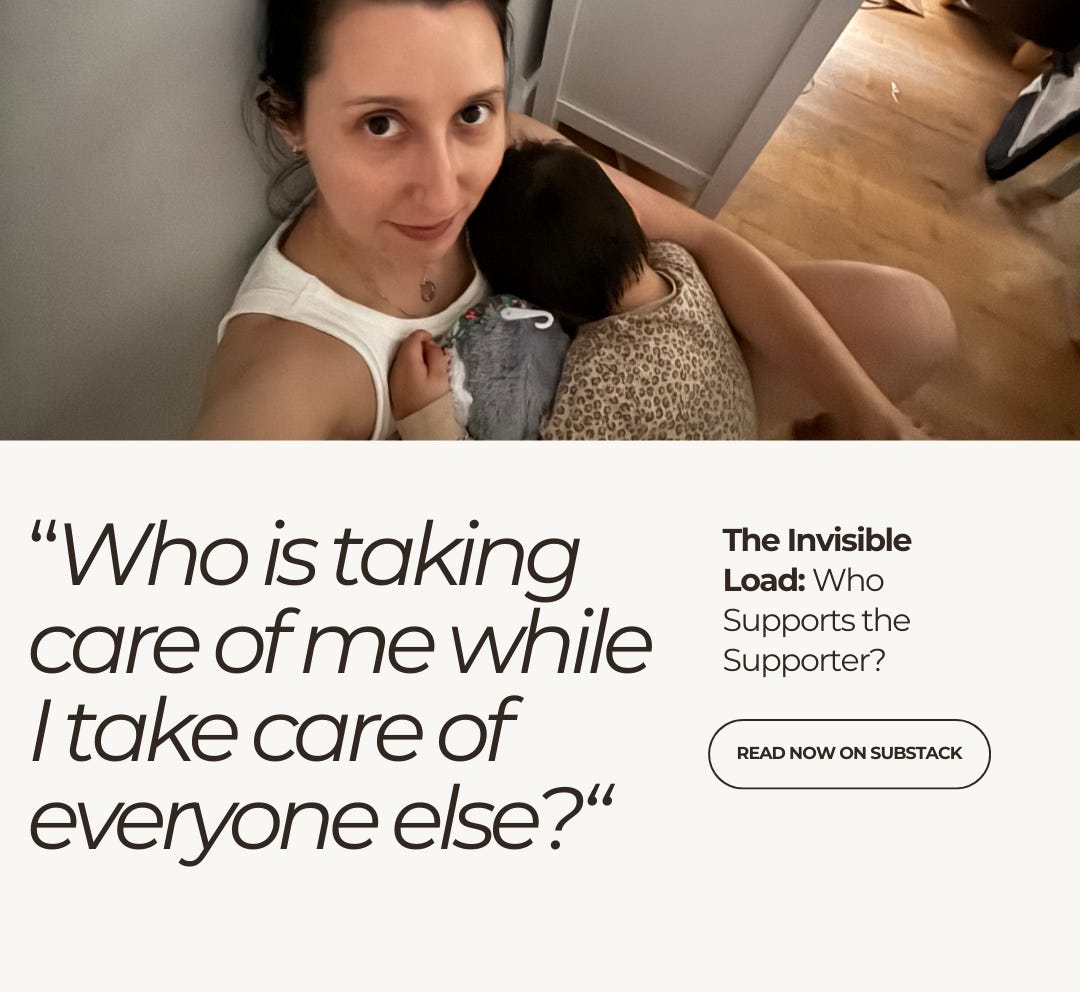
It’s 10 p.m. The work emails are finally closed, the dinner dishes are stacked in the sink, the kids are asleep, and the mental checklist for tomorrow is already unspooling in your mind: Pack lunches. Schedule a dentist appointment. Don’t forget the client call. Call Mum to check in. Somewhere between exhaustion and autopilot, a thought arises: Who is taking care of me while I take care of everyone else?
This is the question so many women quietly carry, the question beneath the weight of what sociologist Arlie Hochschild (1989) famously called “the second shift.” After the day’s paid work ends, another full shift of unpaid, often invisible labour begins: caregiving, household management, emotional support, and all the tiny tasks that keep families, workplaces, and communities running. Decades after Hochschild’s study, the pattern remains.
The Second Shift
We all know it, even if we don’t always name it. The invisible load is the constant responsibility women bear to anticipate, organise, and execute what needs to happen for others to thrive. It’s not just about doing the laundry or cooking meals; it’s being the one who remembers it all, the mental load. The one who notices when the toothpaste is running out, who tracks the school spirit days, who keeps everyone else’s schedules and emotions afloat.
Even in professional spaces, women disproportionately shoulder the “office housework” of planning team gatherings, remembering birthdays, smoothing over conflicts, or mentoring colleagues without recognition. In leadership, this often translates into being the default caregiver for the team, expected to provide not only direction but emotional scaffolding.
This invisible load is heavy precisely because it is unseen. And when it goes unacknowledged, the toll can be profound. This reality extends beyond the personal to the systemic. As Shahra Razavi (2007) points out, traditional economics has long overlooked the unpaid labour of caregiving and household work. And even when it does acknowledge this realm, it often treats it through the same lens as the market, flattening out the differences between economic theory and the complex, lived realities of social life.
The Cost of Carrying It All
The consequences of these often unappreciated responsibilities show up everywhere. Burnout. Anxiety. Chronic stress. (Symptoms that are frequently downplayed or even laughed at) A sense of disconnection from personal goals and desires. For many women, the very act of striving to “do it all” erodes the energy and clarity needed to imagine what they want for themselves.
Again, the issue isn’t just personal. It’s systemic. Workplace structures still reward overwork and undervalue care. Affordable childcare and elder care remain scarce. Cultural narratives continue to glorify self-sacrifice, the mother who never rests, the leader who never falters, the woman who always puts others first.
The result? Women who quietly shoulder more and more, while asking themselves in the quiet moments: Who supports the supporters?
The Self-Support Gap
In a society that rarely provides a reliable safety net, women are often left to invent their own. But the truth is, no amount of bubble baths or yoga classes can fix a system that doesn’t value women’s labour. Self-support must go deeper.
This means asking hard questions about boundaries: What am I willing to stop carrying?
It means prioritising health, rest, and personal nourishment, not as indulgences but as non-negotiables.
It means seeking out therapy, coaching, and mentorship as tools of resilience.
It means embracing financial literacy and empowerment as forms of security.
At The Female Archetypes, we believe our clothes should aid us in this, rather than add another hurdle. Clothes should adapt to women’s changing lives and bodies, not the other way around. That’s why we design timeless, versatile pieces, blazers, trench coats, jeans, and overshirts that evolve with you through every stage of womanhood. For us, fashion is not just about aesthetics; it’s about creating garments that carry you, so you don’t always have to carry everything alone.
And just as importantly, we see our brand as a way to build community. When society fails to provide the net, women have always found ways to weave one together. Because it doesn’t just take a village to raise our children, it also takes a village to support ourselves.
Where do we start?
Holistic support asks us to look beyond individual fixes and toward collective ones. It’s about rethinking how we define resilience, not as endlessly pushing through, but as sustaining ourselves in body, mind, and spirit. It’s about remembering that balance is not a luxury but a necessity.
This kind of support might look like women forming circles of mutual aid, or workplaces creating cultures that normalise rest and caregiving. It might look like leaders modelling boundaries instead of burnout, and communities coming together to share wisdom across generations.
Holistic support is both deeply personal and radically collective. And it’s exactly the conversation we want to be having.
An Invitation
That’s why we’re preparing something special, a space for honest conversations and fresh perspectives on how women can truly support themselves through life’s many stages. It will go deeper than surface-level fixes and open up the questions that matter most: What do we need? What do we deserve? And how can we begin to create lives and communities that truly sustain us? Join our email list to be the first to know what we have in store.
If we want to change the future, we must start by naming the invisible load. By telling the truth about its weight. And by daring to ask and answer the hardest question of all: Who supports the supporters?
References:
Hochschild, A. (1989) The Second Shift: Working Families and the Revolution at Home. Viking Penguin, Inc.
Razavi, S. (2007) The political and social economy of care in a development context: Conceptual issues, research questions and policy options. Trabajo y empleo.
Written by Jasmine Niblett, 31.08.2025