

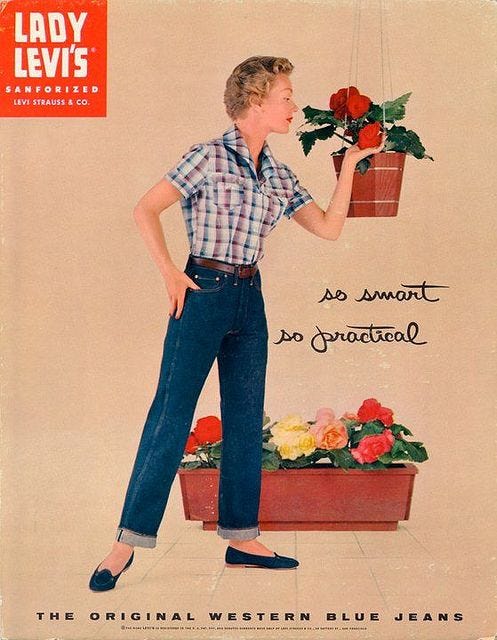
Jeans are one of the most worn garments of our era. A default for many of us on those days we just don't want to think too much about what we're wearing (and if you're wearing ours, you really don't have to 😋). But it's easy to forget how contentious that same fabric once was. For the women who first made denim political, wearing it was a considered, sometimes dangerous decision. Definitely not a default.
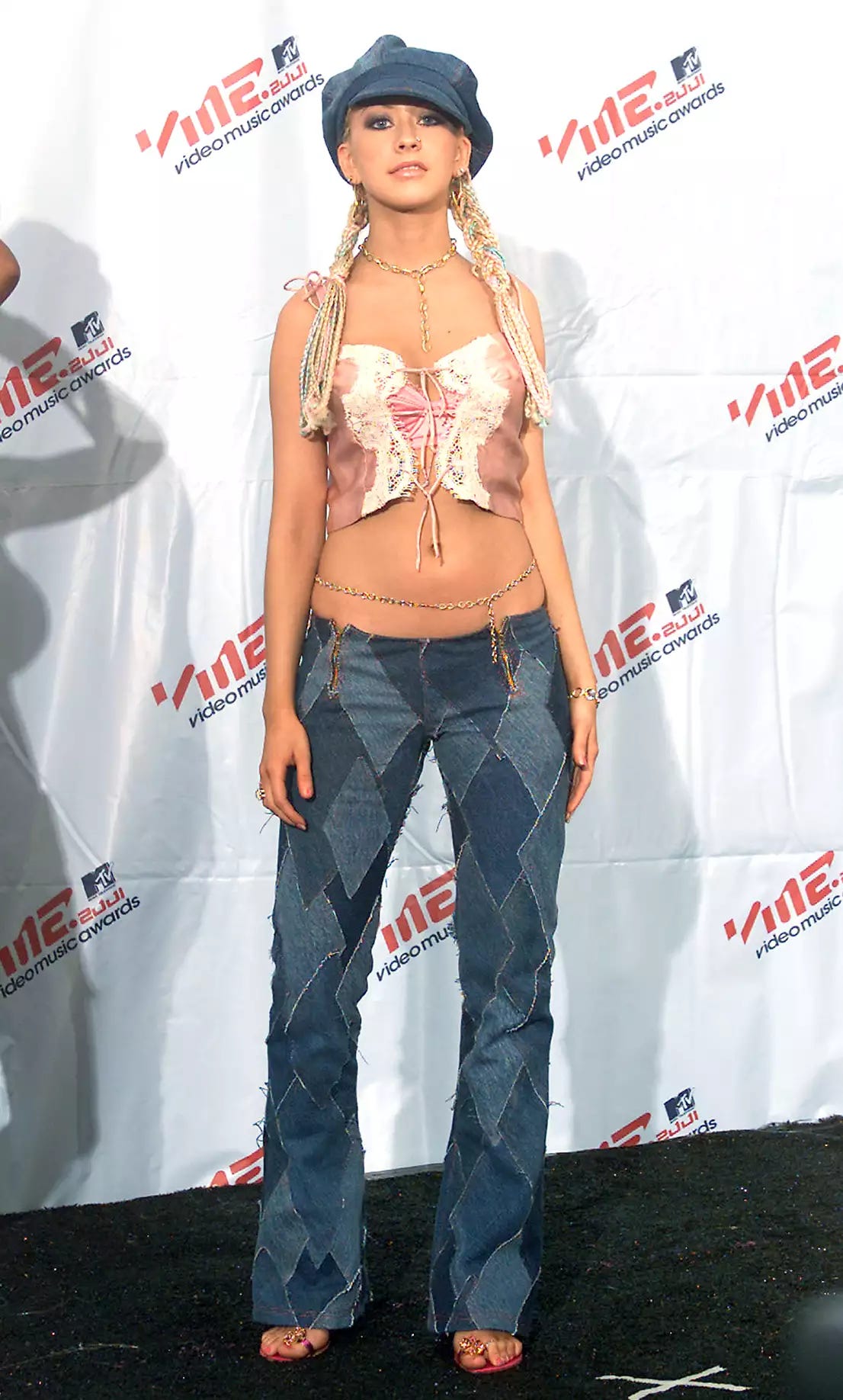
Most people don't know that denim went from something worn for fieldwork to a protest symbol to a feminist statement to the staple piece of clothing in everyone's wardrobe now. It's hard to believe that even the dye that gives our jeans their signature colour was banned across parts of Europe for over a century. In France, the use of indigo was briefly punishable by death, since it threatened European textile merchants who had heavily invested in woad, a homegrown source of blue dye, according to Ted Scheinman. From the outset, denim was a lot more political than it gets credit for. And a lot of that story, especially the part about the women who chose it first, has been forgotten.
The Origins of Denim
According to Brandon Tensley, denim originated in the 16th century in Nîmes, southern France, and in Genoa, northwestern Italy. Many historians believe the word “denim” comes from serge de Nîmes, the tough fabric produced by French mills, and that “jeans” comes from the French word for Genoa, Gênes.
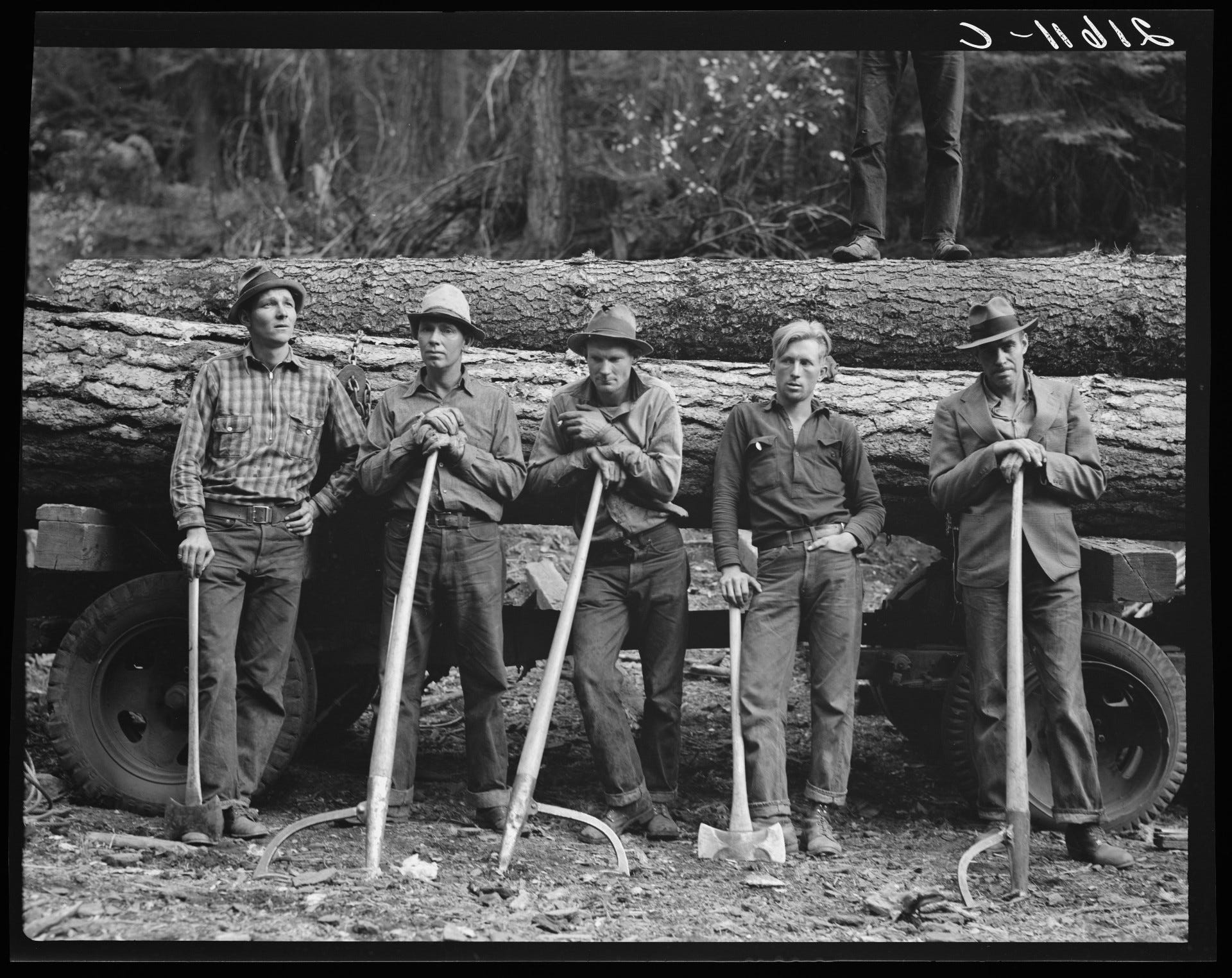
In the American South, 19th-century slaveowners dressed enslaved fieldworkers in this fabric, and, post-emancipation, denim became the fabric of choice for Western miners and labourers too, after a Nevada tailor named Jacob Davis began making work trousers from duck cloth, a denim-like canvas he bought from a businessman named Levi Strauss. Initially, this material had a painful association for many Black Civil Rights activists. Historian Tanisha C. Ford describes how activist Charles Evers saw denim as synonymous with the poverty of his youth, and as an adult, he could not bear to put on the clothes associated with a background he had worked so hard to overcome.
That's part of why early civil rights leaders were clear on how male and female activists should dress: respectably. Women wore cardigans, dresses, modestly heeled pumps, clothing built to directly counter racist depictions of Black womanhood, a "respectable" body as a deliberate political statement in itself.
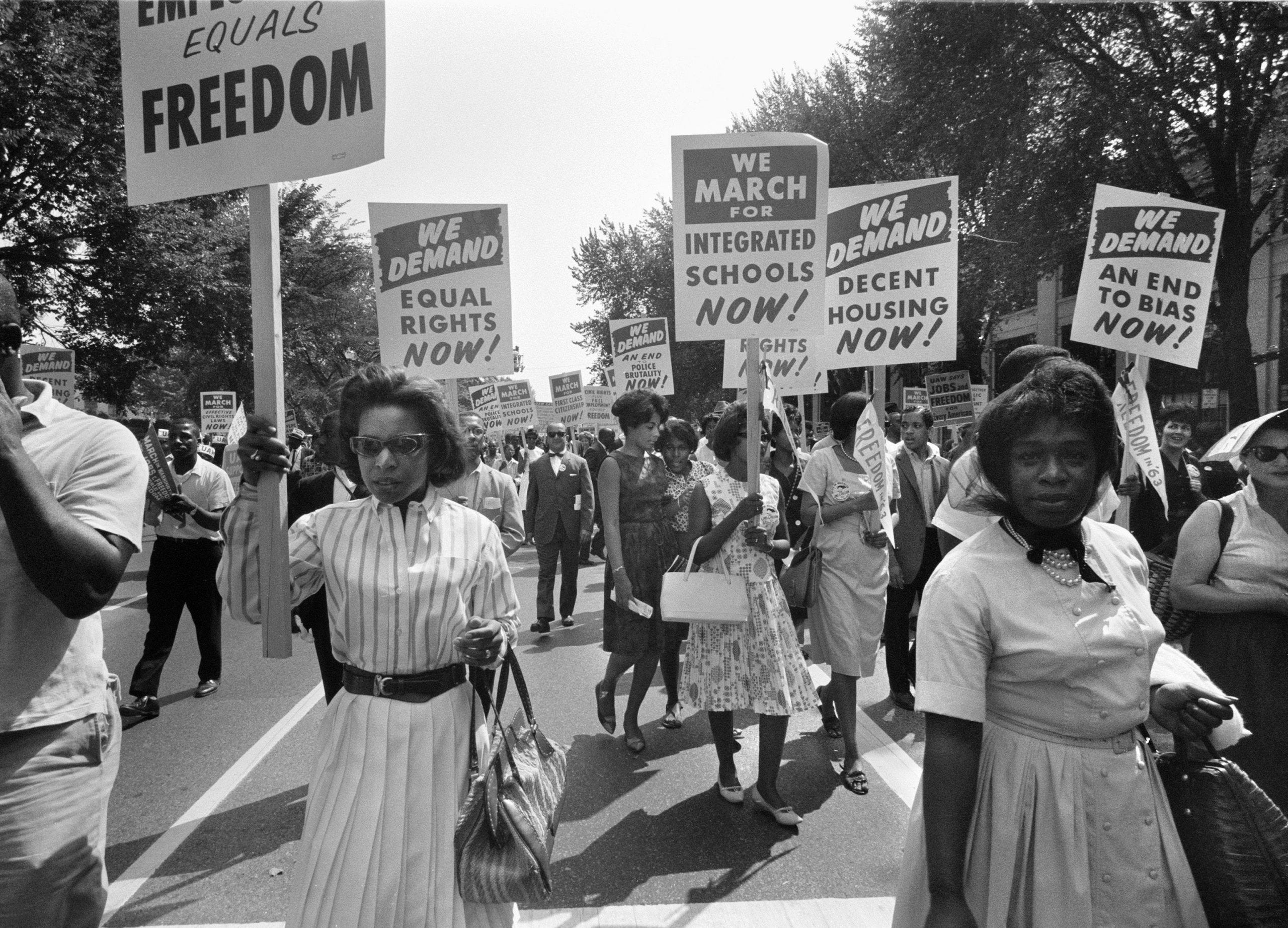
But this mode of dress came with real problems. It wasn’t built for the actual work: hours of canvassing rural communities, long days in the heat, genuine physical danger. Ford has documented that dressing this way could also mark Black women as outsiders to local law enforcement and extremist groups like the Ku Klux Klan, sometimes with serious violent consequences, including the threat of sexualised arrest tactics.
So, especially for women, there had to be a different, safer way to dress, something that could serve as a uniform and still make the actual work of canvassing possible.
Becoming a Symbol of Rebellion
According to Levi Strauss & Co.’s® website, the company and therefore jeans as a whole have had a long history in women’s liberation. Levi’s® had employed women as sewing machine operators since it began mass-producing riveted trousers in 1873. During World War I, as women took on jobs traditionally held by men, the company introduced “Freedom-Alls”, a one-piece work garment whose name doubled, intentionally or not, as a nod to women’s liberation as much as wartime liberty language.
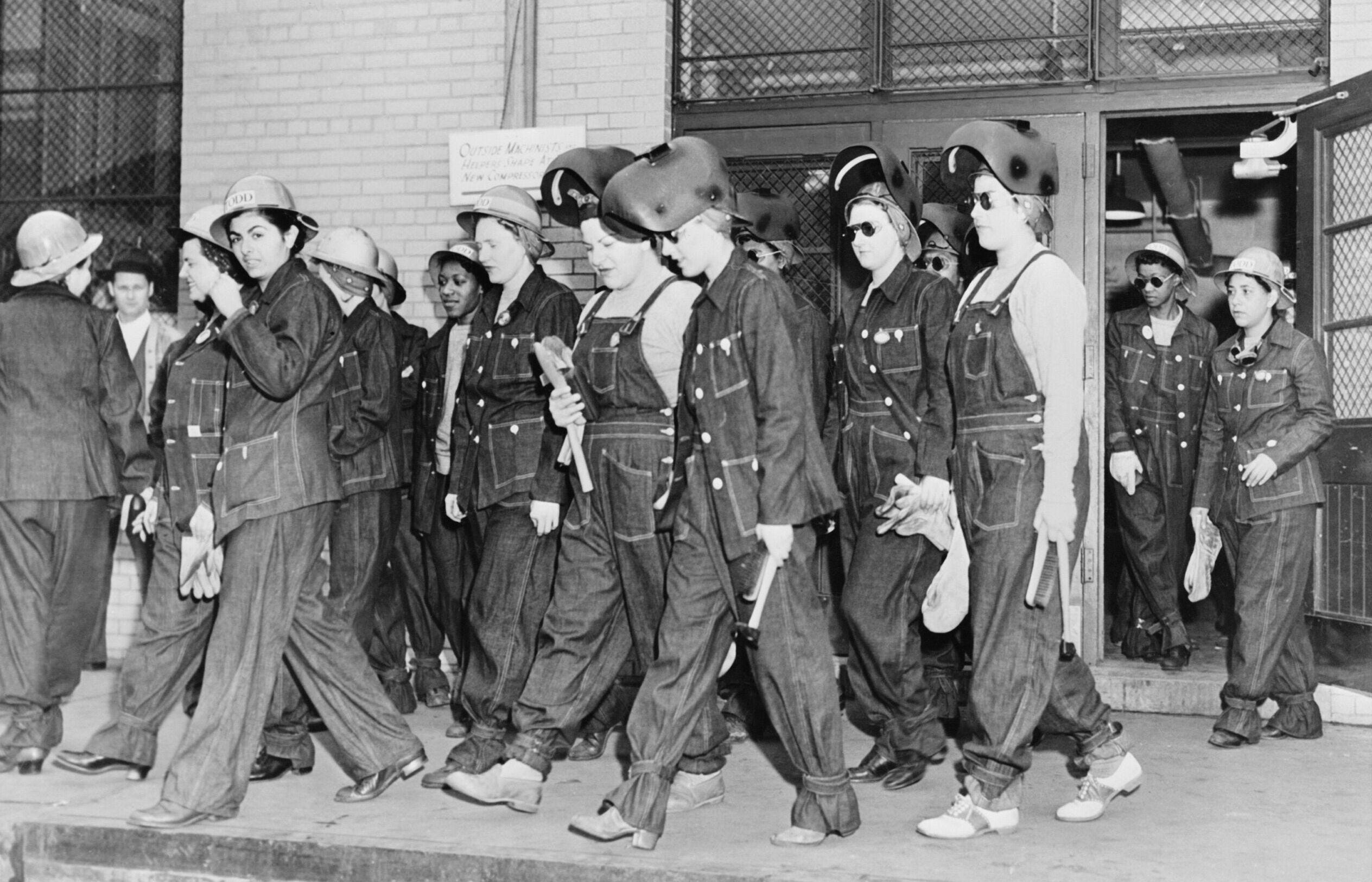
In 1934, Levi’s® released Lady Levi’s®, the first jeans made specifically for women. They say that these jeans were born out of necessity: “Western women had been borrowing their husband’s or brother’s Levi’s® 501® jeans for years when LS&Co. recognised the need for a women’s work pant.” Even so, women wearing trousers of any kind, let alone denim, were still widely seen as, at best, edgy, and at worst, inappropriate, well into the mid-twentieth century.
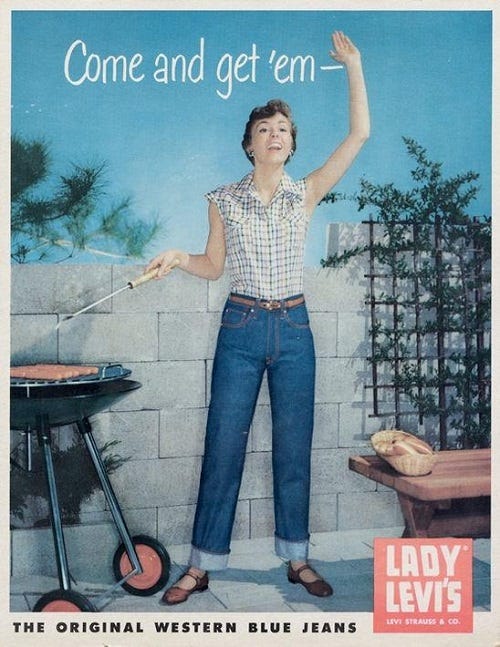
In the early 1960s, Black women organisers with the Student Nonviolent Coordinating Committee (SNCC) started wearing denim as a statement. Matthew Wills describes how it was not only practical but also recalled the work clothes worn by African Americans during slavery and as sharecroppers. Moreover, Brandon Tensley argues it suggested solidarity with contemporary blue-collar workers and even equality between the sexes, since men and women alike could wear it. According to Ford, wearing jeans became a conscious tool used to push back against respectability politics within the Black middle class itself as well as segregation.


Denim hid dirt in a way other fabrics couldn’t, useful when doing laundry regularly wasn’t always possible during days of canvassing. Its pockets held flyers, pens, leaflets, carried inconspicuously while organising. Sewing their own denim skirts was not only cheaper but also allowed Black women to directly refuse to shop at stores that upheld Jim Crow segregation. The use of denim was clearly intentional, and Ford’s research shows that SNCC organisers knew exactly when to employ it. Organiser Ella Baker actively coached activists on when and why to wear it, understanding that, as a symbol, this uniform could be put on and taken off strategically rather than as a default look.
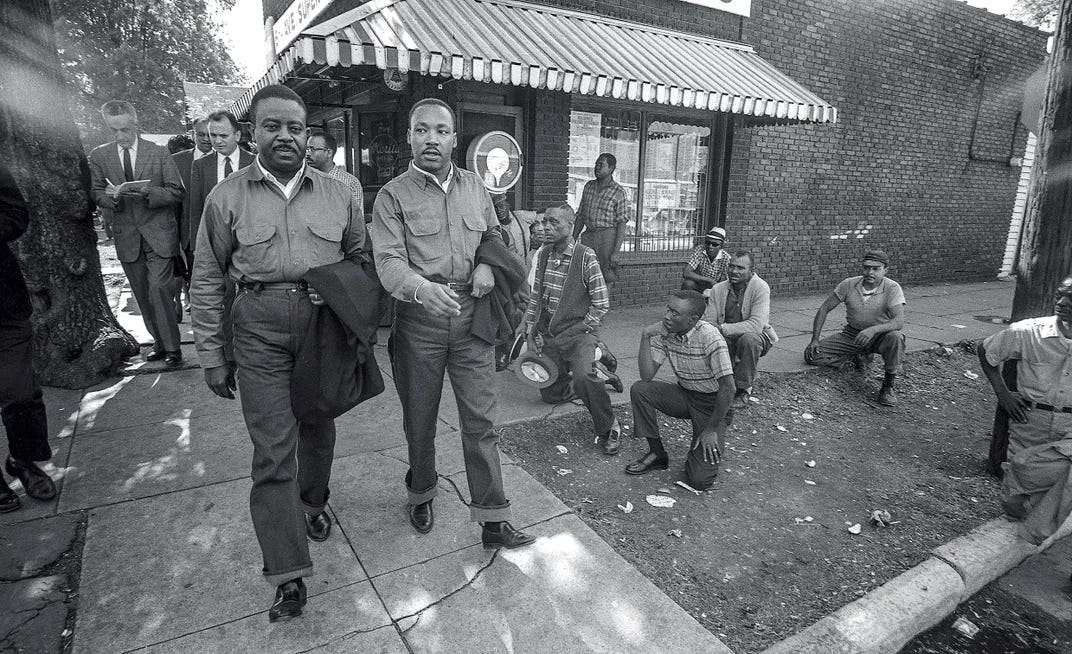
Denim wasn't only a women's tool, either. Art historian Caroline A. Jones has written that jeans only became broadly popular after Martin Luther King Jr.'s March on Washington, where civil rights activists were photographed in sharecroppers' denim overalls, a deliberate visual reminder of how little had actually changed since Reconstruction.
How History Got Erased
As the civil rights movement grew and drew people from different backgrounds, denim moved from an identifying uniform on college campuses to a broader, vaguer presence. SNCC member Judy Richardson described how white students who’d supported the movement kept wearing “the SNCC blue jeans” once they returned to their own campuses and, through a mix of intraracial politics and both Black and mainstream media coverage, denim became associated instead with white bohemian counterculture. The radical history of Black women’s activism embedded in the fabric was largely forgotten. What had been a considered, strategic, political choice made by Black organisers became, in the popular memory, simply “the uniform of the 60s.”
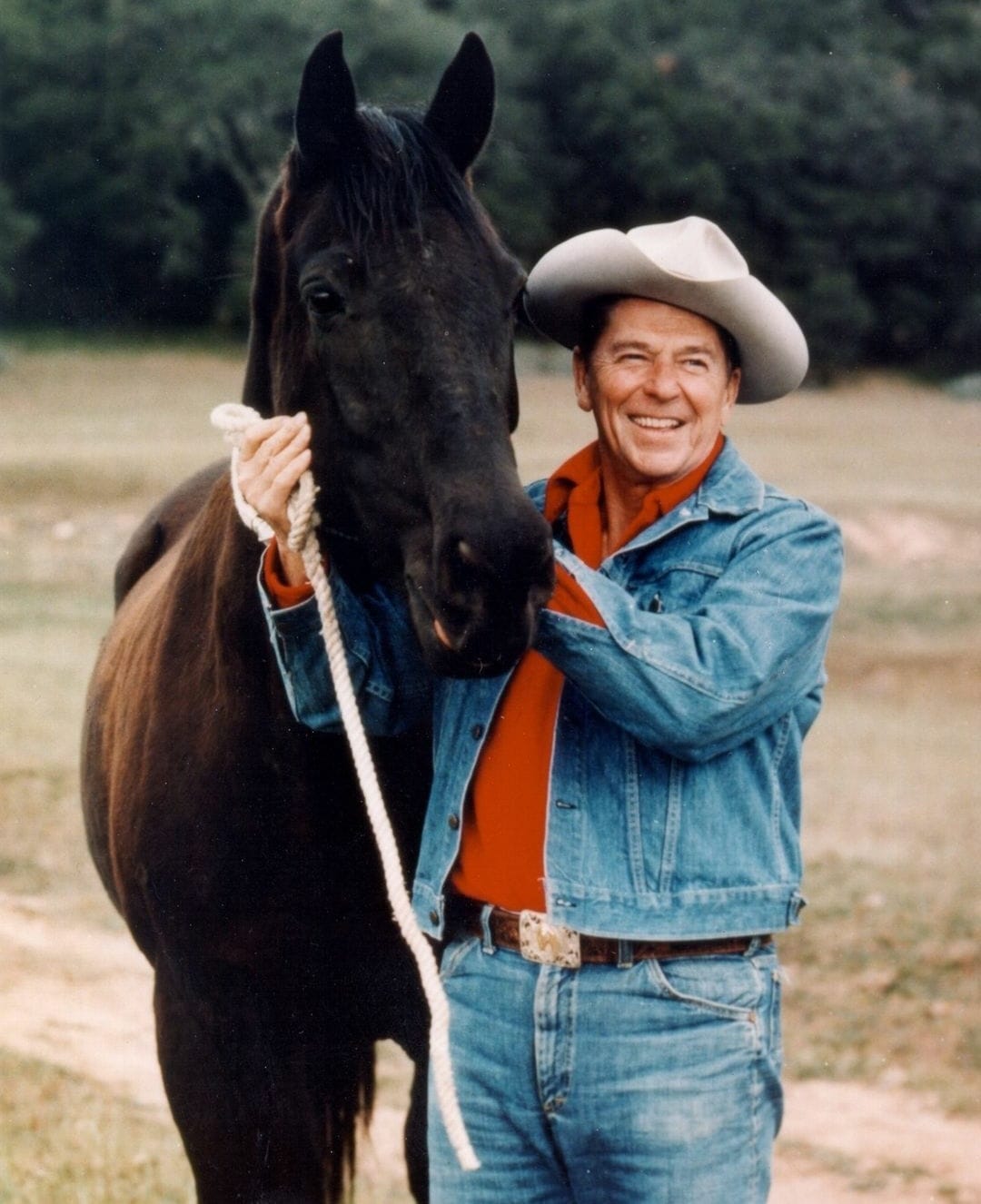
Ford's research puts it plainly: the radical politics SNCC women's denim once represented got reassigned, in the popular imagination, to a mostly white, mostly male story about the pursuit of freedom, “while black women remained shrouded in a highly constructed veil of genteel womanhood.” Tensley gives examples of conservative country music star Merle Haggard and President Ronald Reagan, who were frequently photographed in denim, to position themselves as embodiments of rugged individualism.
Denim’s Lasting Impact
Denim hasn't lost its rebellious potential, even in the 21st century. In the run-up to Belarus’s contested 2006 election, a protester tied a denim shirt to a stick after police confiscated opposition flags, giving the movement its name, the “Jeans Revolution.”

Denim has never really been neutral. It's been chosen, again and again, by people who needed their clothing to work as hard as they did: practical, durable, unwilling to show what it had been through and, at key moments in history, exactly the right thing to reach for when it mattered.
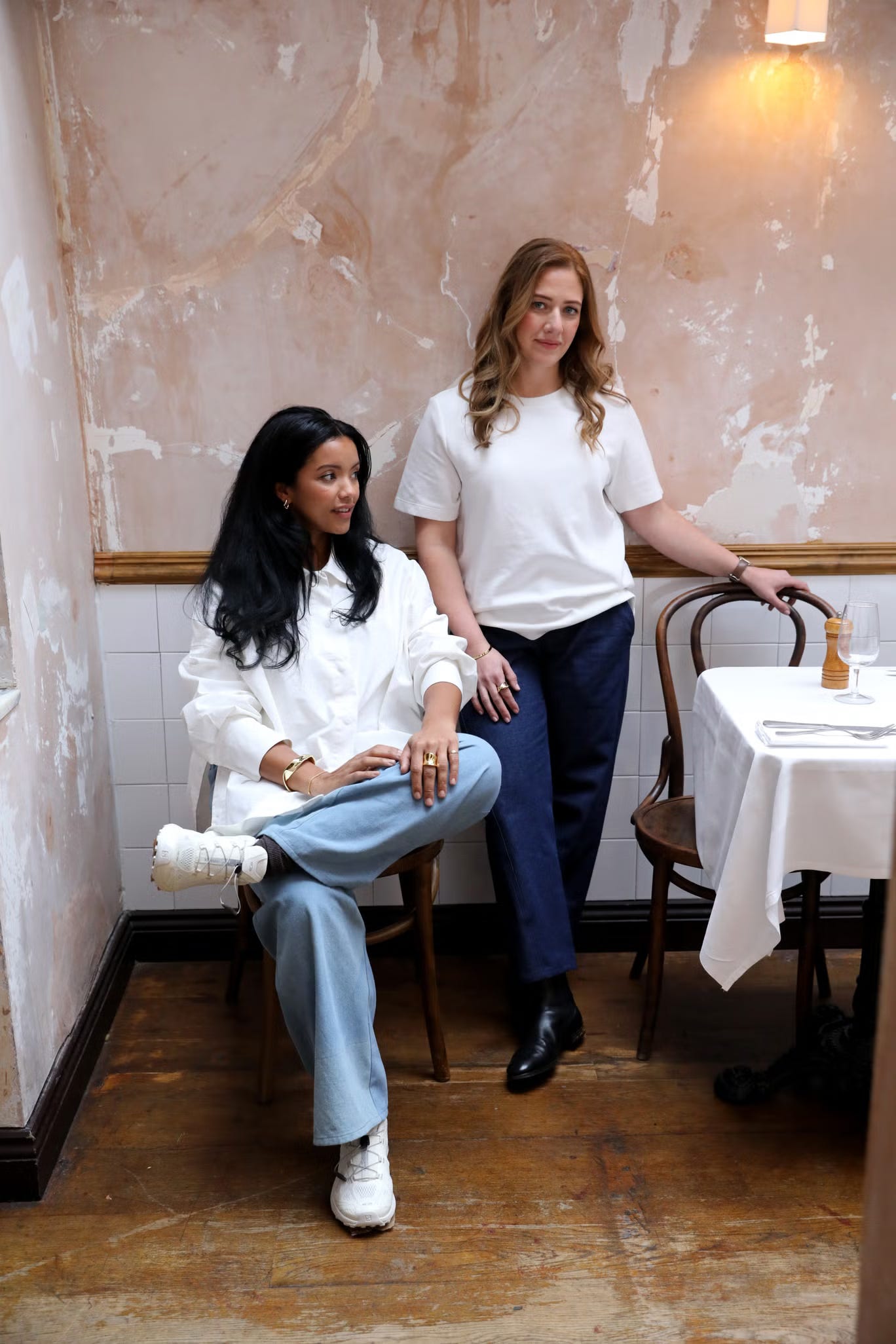
This is why denim made sense as the central piece for The Female Archetypes. A fabric with a long history of being chosen because it had to work for the life someone was actually living, not the life they were expected to perform. We didn't invent that idea. We're just the latest people to build on it.
Join our community: Instagram, YouTube, TikTok, LinkedIn
Written by Jasmine Niblett, 28.08.2026