

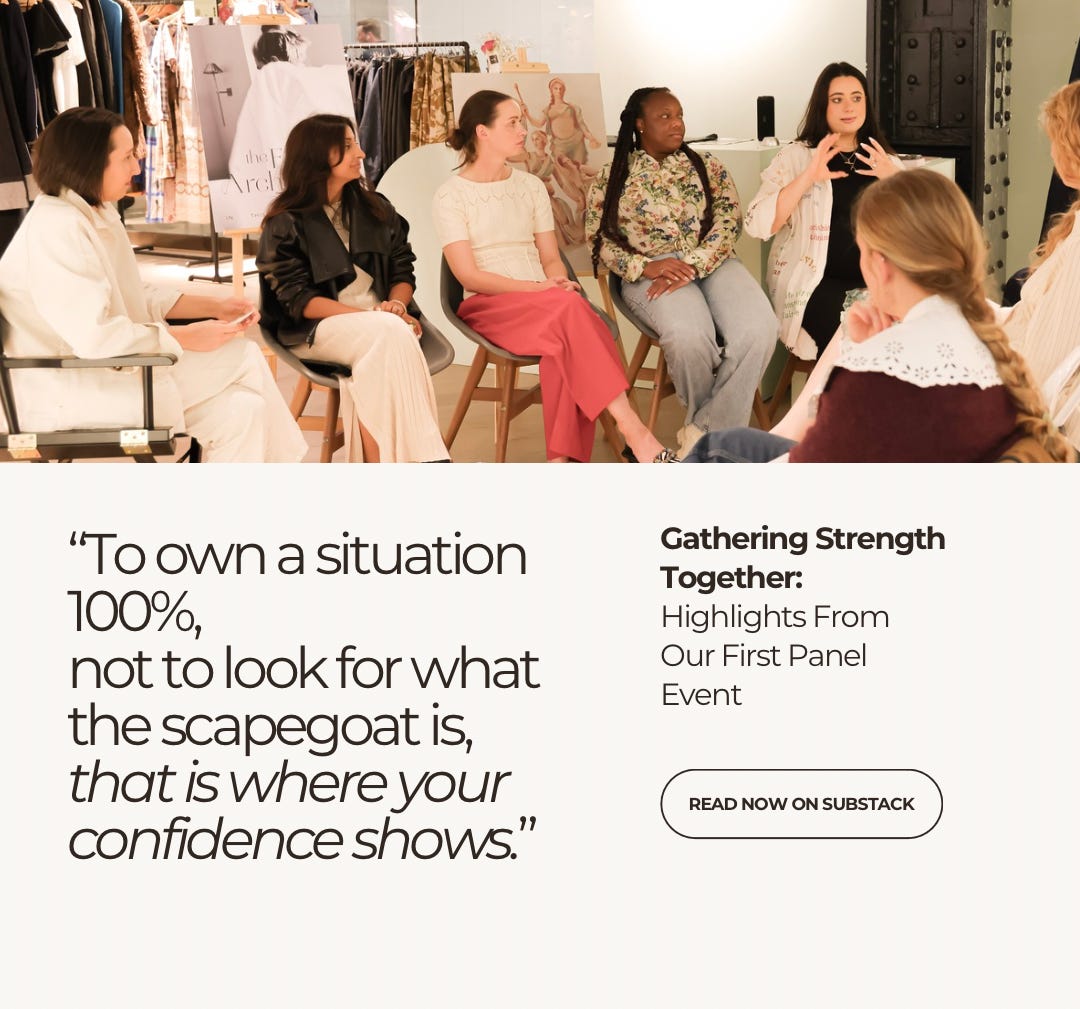
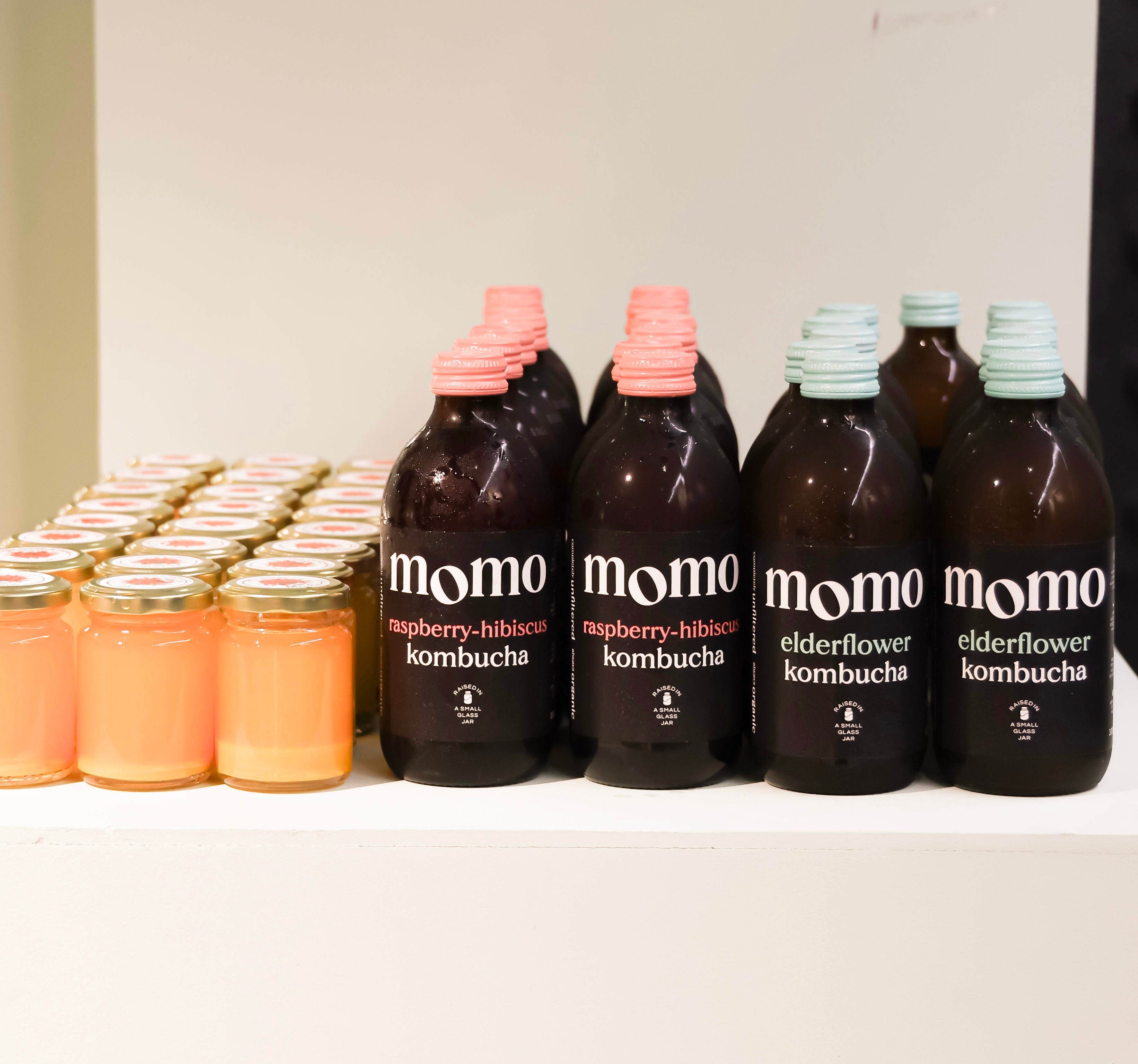
Last Thursday, we had the pleasure of inviting you all to our first The Female Archetypes panel event. With help from the Lone Design Club, Momo Kombucha and MeJuicer, we wanted to create a space for honesty, encouragement, and connection. What unfolded was exactly that, a discussion of self-care, womanhood and confidence that left me feeling both grounded and inspired.
For those who could not attend (or for those, like me, who can’t get enough of these wonderful ladies), I wanted to use this space to share some of the themes that resonated with me most.
Confidence
We began by discussing the idea of confidence; what does it mean to be truly confident? Angelee threw a question into the room that sparked instant recognition in me: Can we “fake it till you make it” when it comes to confidence? What came through was that confidence doesn’t always look like perfection. Sometimes it means being okay with not being okay. Sometimes it means taking accountability when you mess up. As Angelee said:
“To own a situation 100%, not to look for what the scapegoat is, […] just owning what it is, and that is where your confidence shows.”
Naomi echoed this with her reminder that honesty has its own kind of strength, even on professional platforms like LinkedIn, where vulnerability can feel risky:
“It’s so nice to hear that realistic voice that we don’t get to hear very often. […] So I do try and give that more balanced approach.”
The consensus? Confidence isn’t about pretending you have it all figured out. It’s about showing up honestly, even when things are messy.
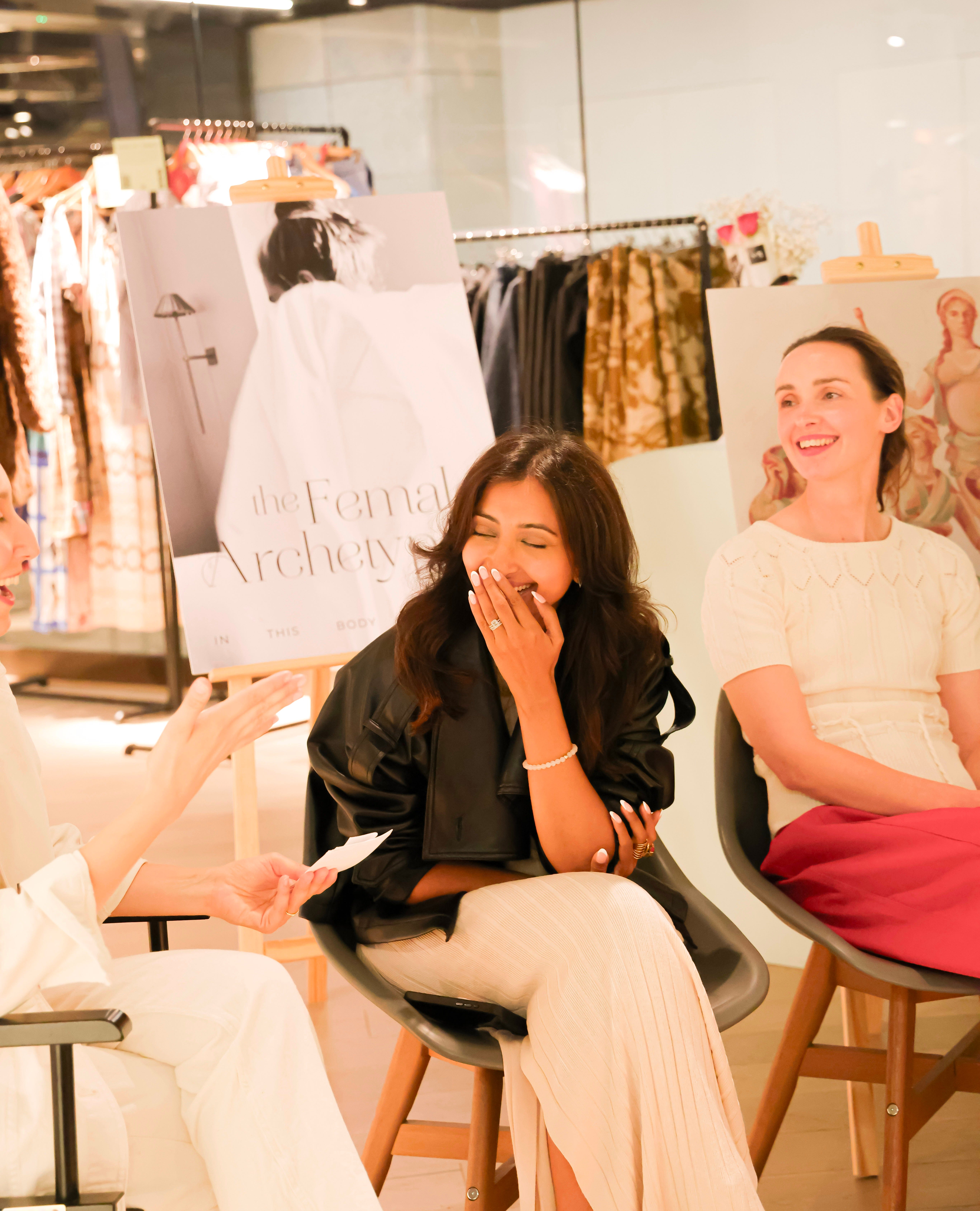
Self-Care
We all know that confidence starts with how we treat ourselves. When we take the time to care for our well-being, we naturally show up with more confidence.
When asked about how self-care has changed over the last generations, Karyll shared a valuable perspective: she encourages us all to make a conscious effort to slow down. In a culture that rewards constant busyness, choosing rest and reflection is radical. She also reminded us of the generational shift happening:
“We tend to put everyone first. Past generations tend to do that: ‘I’ll do it later, I’ll do it later, I’ll do it later.’ And by the time you look up, years have passed, decades have passed, and you look in the mirror like, ‘Who is this person I am looking at? I don’t recognise them.’ But now, a lot of women are taking the time out to make sure they are taking care of themselves. You cannot pour from an empty cup, so you need to refill your cup.”
Self-care isn’t about abandoning identity; it’s about protecting it. And Karyll has a few very practical tips to achieve this: Firstly, the idea of a wellness retreat (yes, please). Secondly, she highlighted the importance of checking in on each other. And extremely practical, yet profound: Karyll’s tips on cellular hydration, proof that care for ourselves starts at the most basic level.
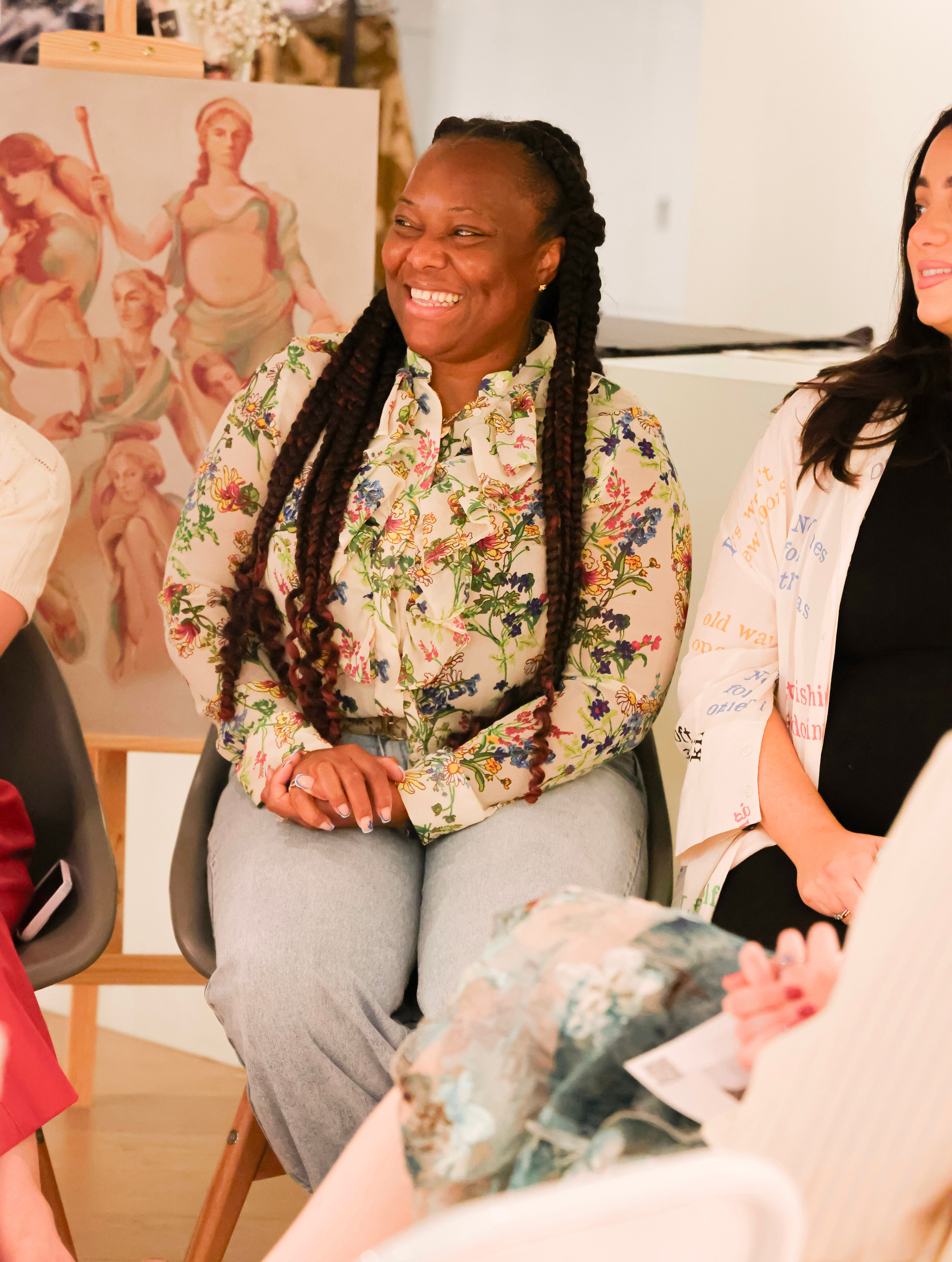
Balancing Career and Womanhood
When turning to Gabriella, we were especially fascinated by how she manages to balance her high-pressure career as a lawyer with the demands of motherhood and her second career as a content creator. Here, Gabi had a take which she called “controversial”:
“I don’t believe that women can have it all, all the time. I think that you can have certain things at certain times, you can’t have it all at once.”
The key is prioritisation, and the peace that comes from accepting that:
“The key to trying to balance both a career, motherhood, all of your extracurriculars, wellness, is to not try and get too bogged down if one of those things falls off a cliff.”
She reminded us that “it all swings in roundabouts. So, if you then have a week where you do have a bit more time, you can then try to prioritise things you’ve missed out on the last few weeks. And to be honest, that’s the only way I’ve been able to juggle everything.”
Naomi echoed Gabi’s sentiment when she told us about having to parent alone while her partner was out of town: “To be honest, from a work perspective, it really stepped back. I was not able to do the work to the level that I needed to. And I sort of had to make peace with that.”
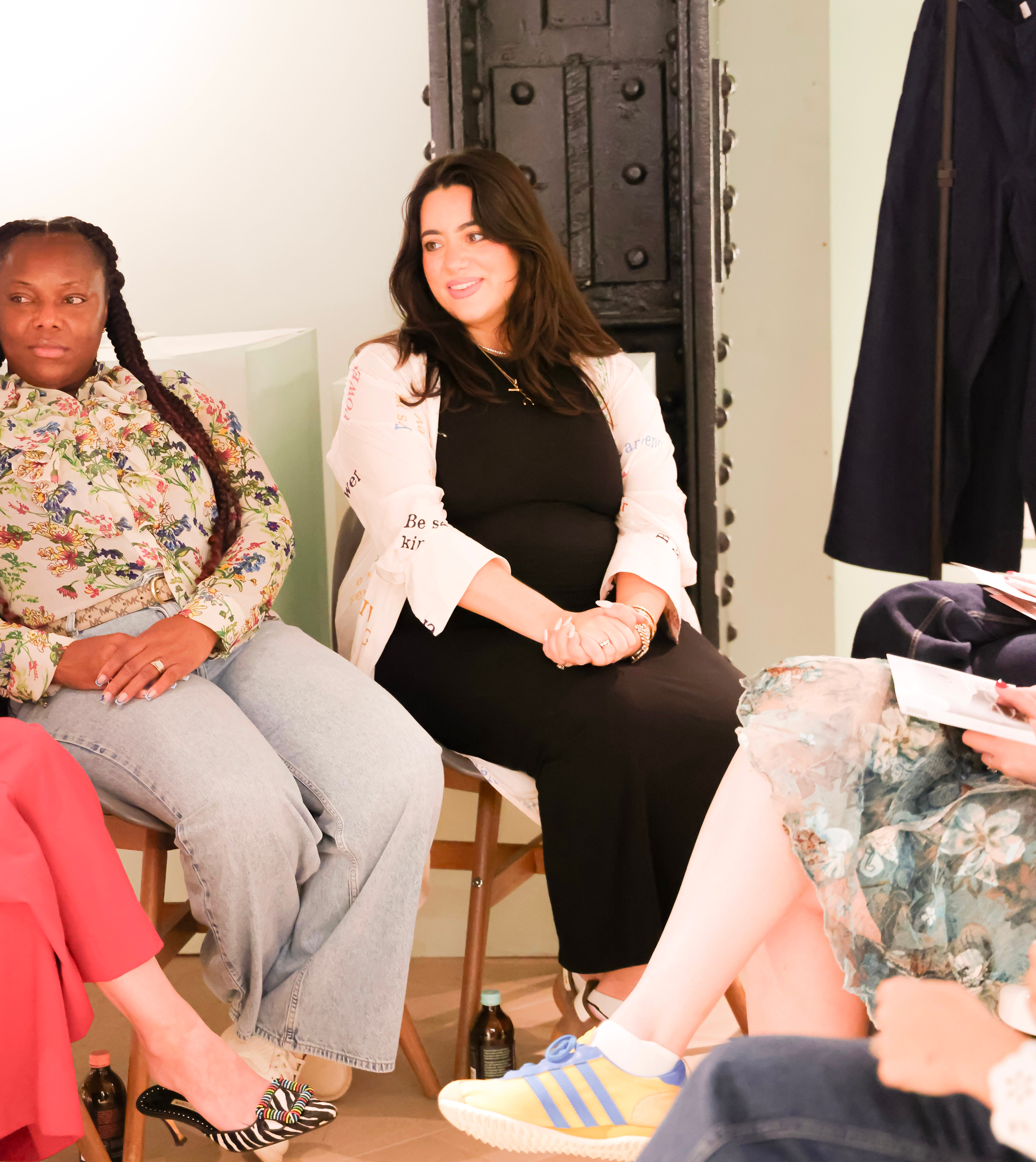
The reality remains that in many households, even when both partners are breadwinners, care still falls mostly to women. Gabi reinforced this by highlighting how deeply ingrained gender norms shape professional expectations. She noted that women often carry the majority of childcare responsibilities by default, a legacy of centuries of tradition. As a result, when a woman leaves work early for her children, it’s often seen as a shortcoming, whereas when a man does the same, it’s celebrated. Together, their stories highlight the tension so many women face between ambition and the invisible work that sustains their families and communities.
On a more positive note, Naomi also emphasised that women are redefining what success looks like in the workplace:
“Women are doing it for themselves and they’re doing it out of their own desires or even out of their own necessities.”
A Grateful Reflection
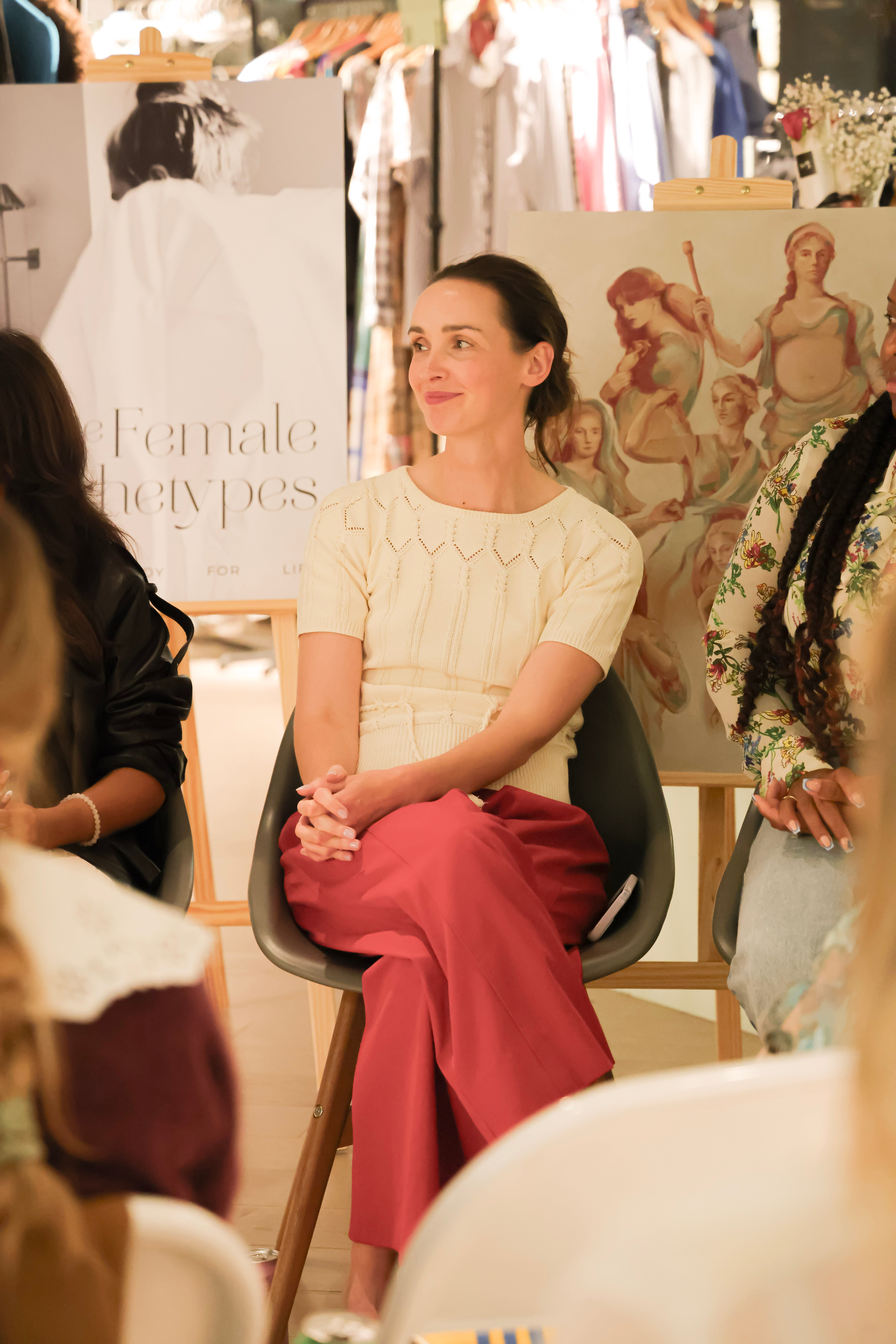
This panel reminded me why spaces like this matter. Women gathered together, sharing not only struggles but also wisdom and laughter, creating a kind of collective resilience. This is why, at The Female Archetypes, we want to continue providing these spaces.
If you were there, thank you. If you couldn’t make it, I hope these impressions give you a taste of the energy in the room. And most of all, I hope the words shared here give you something to carry into your own days: confidence without perfection, care without guilt, and balance without the myth of “having it all.”


Written by Jasmine Niblett, 21.09.2025