

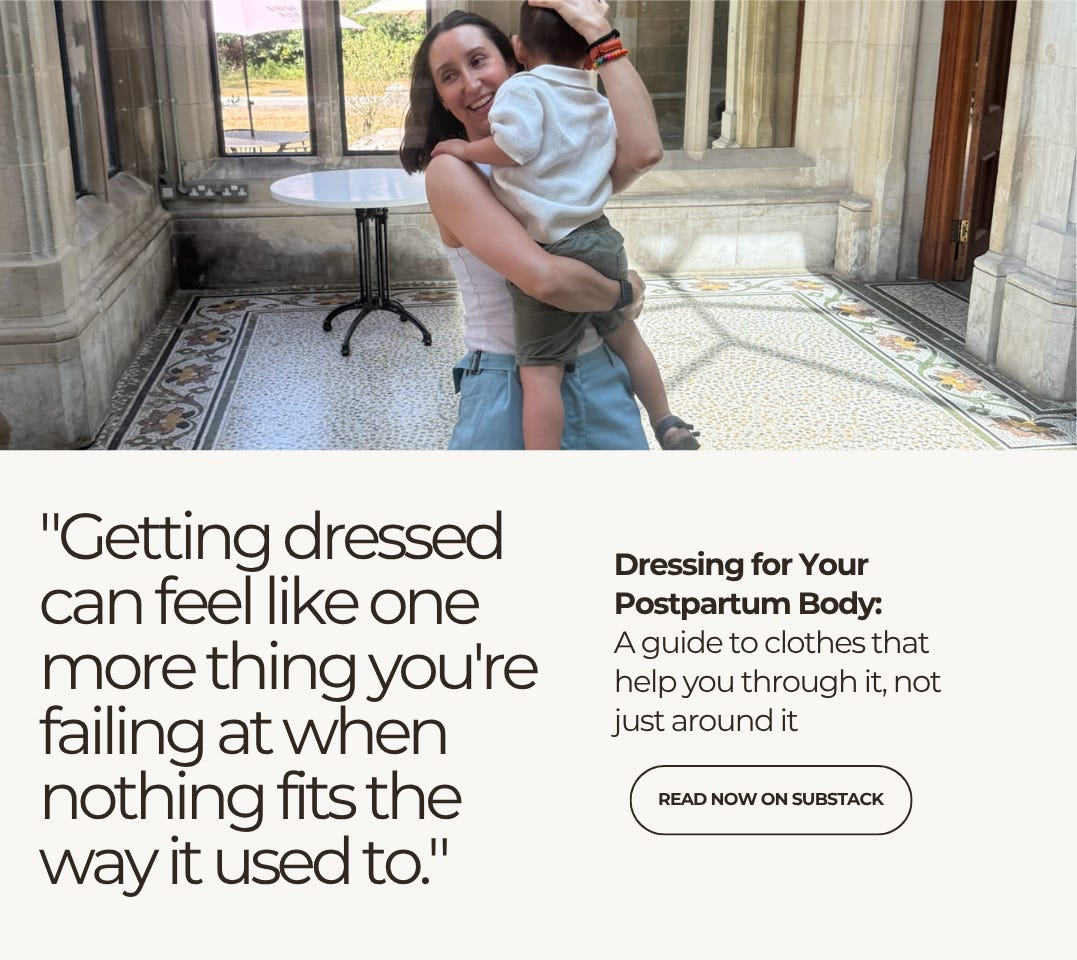
When we use the term “postpartum,” we often refer to the period immediately after giving birth. But as a lot of us know firsthand, giving birth doesn’t just change our bodies for a couple of weeks, and the concept of “bouncing back” just isn’t realistic. Whether this phase of life includes motherhood or not, our lives are permanently altered, and adapting to that isn’t quick or simple. Many of you have told us how hard it is to find clothes that feel comfortable and still help you feel like yourself, while your body keeps changing on a near-daily basis.
Most postpartum style advice out there falls into one of two camps. There’s the approach of hiding any changes: structured, controlling pieces designed to smooth over a body you’re apparently supposed to be embarrassed by. And there’s the “bounce back” approach, styling advice built around your pre-baby wardrobe, as if getting back into those exact jeans is both the goal and the timeline. Neither is actually useful when you’re standing in front of your wardrobe at 6 am with a body that doesn’t match either version.
So here’s a more honest starting point: your body isn’t done changing yet, and it’s not supposed to be. What you need isn’t a new look. It’s clothes that can keep up and support you.
What’s actually going on
Like I’ve said, postpartum recovery isn’t a single event; it’s a gradual process that continues well beyond the standard six-week checkup. In the first week or two, your body sheds a significant amount of retained fluid from pregnancy, which is part of why swelling can fluctuate day to day. Your uterus is gradually shrinking back to its size over several weeks, and your abdominal muscles, stretched over the course of pregnancy, take considerably longer to recover strength and function, a process that looks different for every body and doesn't follow a fixed timeline.
And it's not just your midriff that is changing. Postpartum hormones affect your entire body: The sharp drop in oestrogen and progesterone after delivery is linked to shifts in mood, sleep, and energy. A large majority of new mothers experience the "baby blues" in the first couple of weeks after giving birth, and for a smaller but very significant number of women, this can also lead to postpartum depression. The same hormonal shift is also behind postpartum hair shedding, which often doesn't even start until a few months in and can continue for close to a year. This goes to show how long our bodies are still adjusting to this new normal and how long we need to allow ourselves to heal.
None of this is a problem to be fixed quickly. It’s just the reality of a body recovering from something enormous.
If you’re finding this period harder than you expected, it is always worth talking to your GP or health care practitioner; postpartum depression is common and not spoken about enough.
What we actually need
Traditional postpartum style advice tends to offer two extremes: structured shapewear that promises to smooth and control, or the assumption that comfort means giving up entirely, joggers and the same oversized top, day after day, because nothing else feels possible. Neither actually solves the problem.
What postpartum bodies need isn’t control. It’s support. You might be sore. You might be lactating and need easy, fast access without getting undressed. You might be swollen in places that change by the hour, or simply exhausted in a way that makes tight waistbands and fiddly fastenings feel like one more obstacle in a day already full of them. Comfort isn’t a compromise, it’s a genuine physical need.
But comfort doesn’t have to mean disappearing into loungewear (though that's also a great option for some days). Most women don’t want to choose between feeling supported and feeling like themselves, they want both. Something soft enough to actually wear all day, structured enough to feel presentable if you leave the house, and forgiving enough that it doesn’t ask anything of a body that’s already doing enough.
What actually helps
Here's what that actually looks like in practice, not specific outfits, just a few things worth prioritising:
Soft structure over rigid structure.
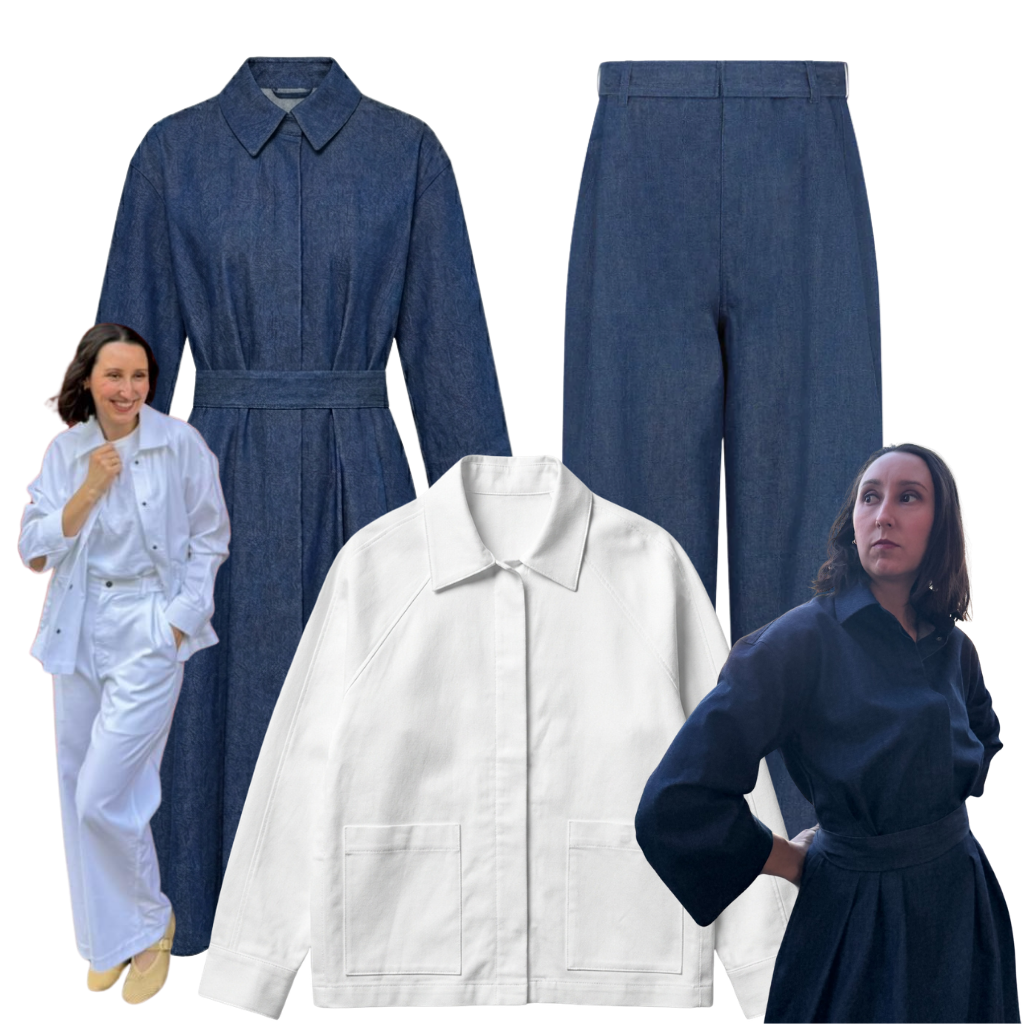
Anything with real boning, stiff waistbands, or tight elastic will fight you on your hardest days. Look for pieces with built-in give, not just pieces that stretch.
All of our clothes at The Female Archetypes are designed to fit your body. So while they look structured and put together, they are comfortable and not restrictive in any way.
Adjustable over fixed.
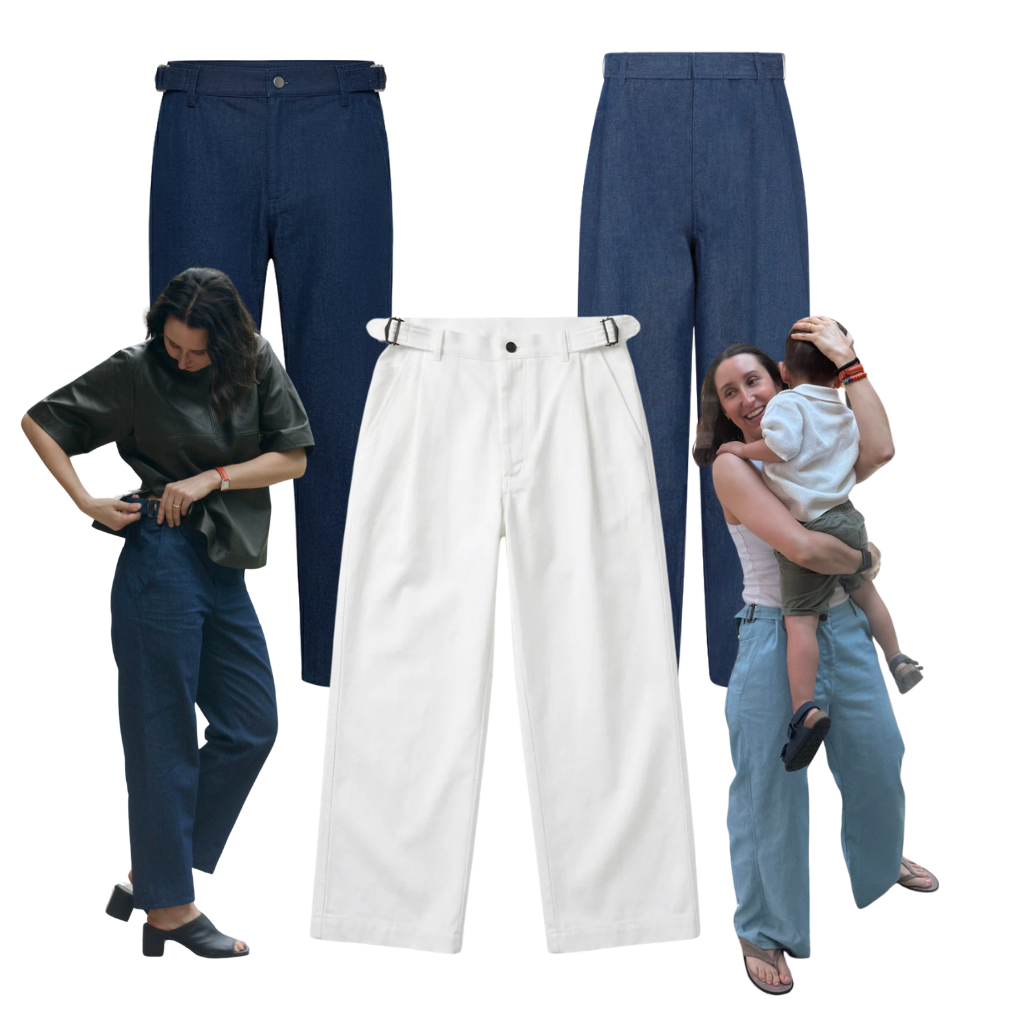
A waistband that moves with you, rather than one you have to size around, means you’re not re-deciding what fits every few weeks.
The Female Archetypes has developed a waistband system that lets you adjust your trousers whenever you need to. Every single one of our trousers features this adjustable waistband, including our new jeans fits, The Tapered Jeans and The Bootcut Jeans.
Layering over one-and-done outfits.
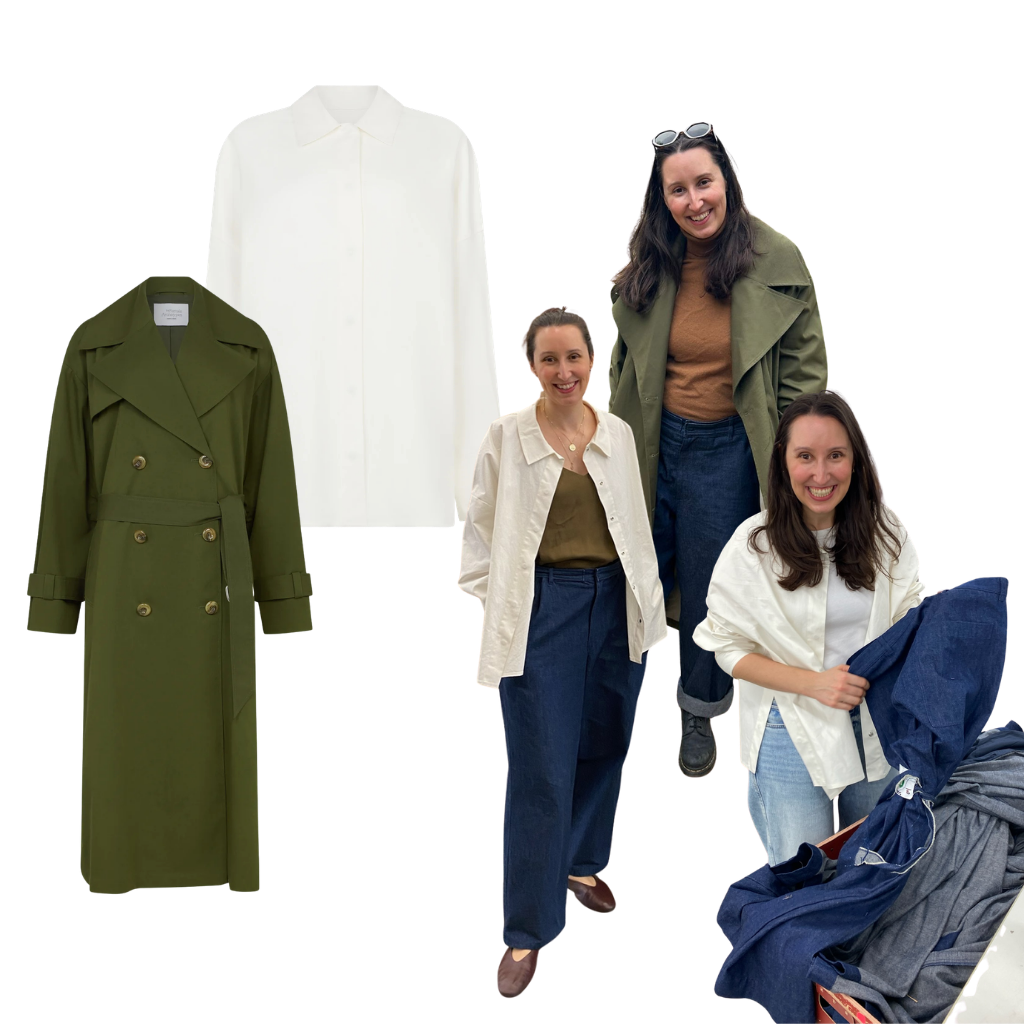
Postpartum bodies run hot and cold unpredictably, hormonal night sweats are common in these early weeks. Pieces you can add or remove through the day are perfect for this.
At The Female Archetypes, we have a range of thoughtfully made outerwear, including our Adjustable Size Overshirt, which features easy-to-open poppers perfect for breastfeeding, and our Adjustable Size Trench Coat, which features eyelets under the sleeves for better ventilation. As you can see, they were our founder, Alice Holland-Lu’s, staple for an easy but put-together outfit after her pregnancies.
Fabric that moves.
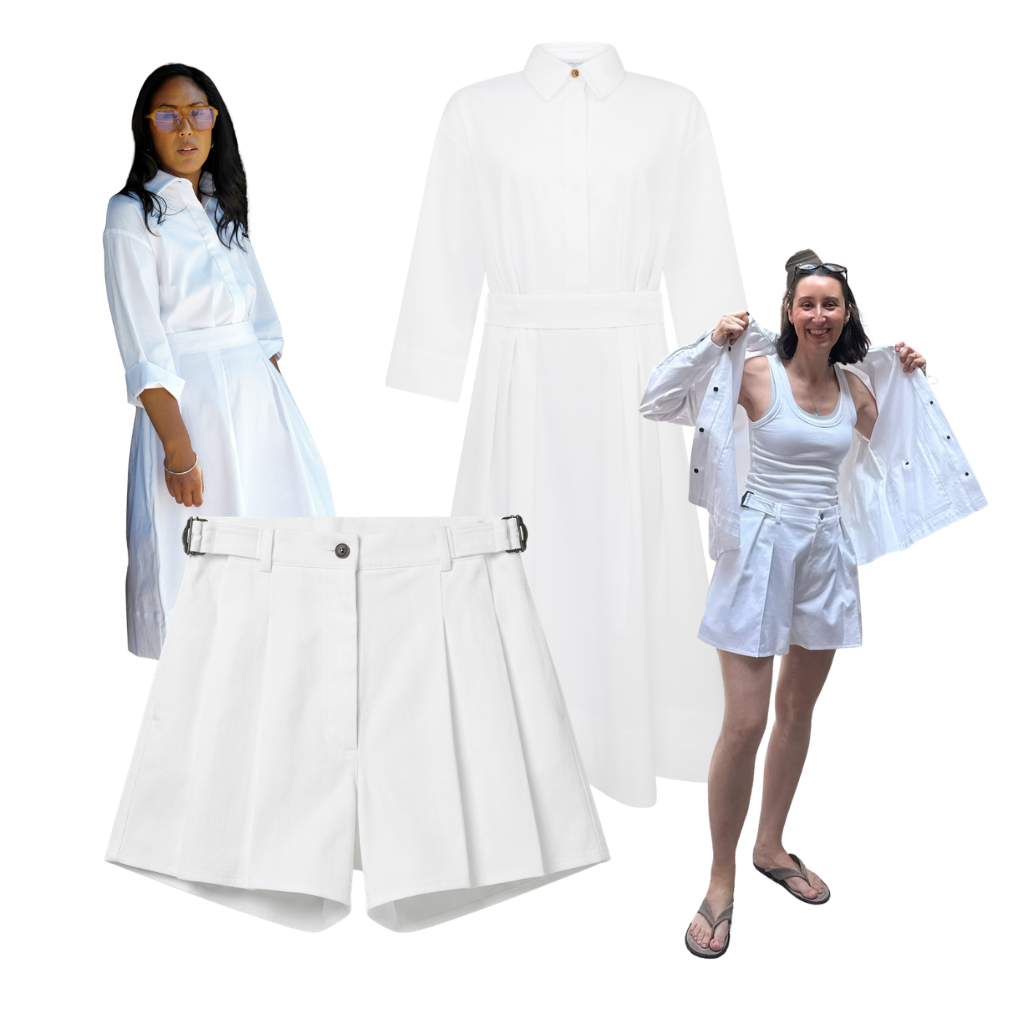
Cotton and other breathable, flexible fabrics are more forgiving of swelling, bloating, and general unpredictability than anything stiff or synthetic. This matters even more if you've had a C-section, where non-restrictive fabric against the incision site can make a real difference.
All our clothes at The Female Archetypes are made of 100% cotton unless explicitly stated otherwise, meaning they are not only breathable but also soften with every wash and sit comfortably on your skin.
Fewer decisions, not more outfits.
The goal isn’t a bigger wardrobe for this phase. It’s fewer pieces that can actually move with you, so getting dressed isn’t one more thing to figure out on no sleep.
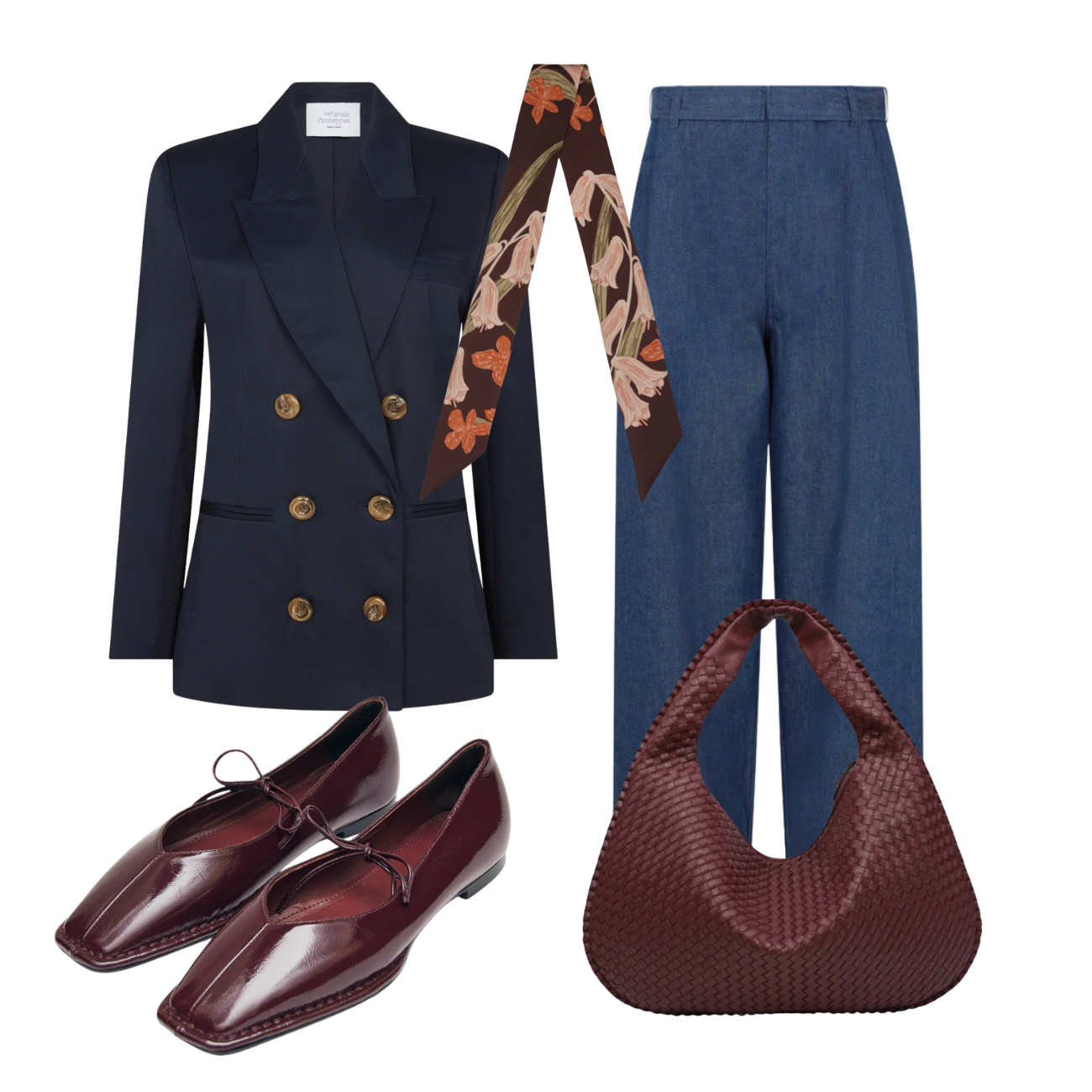
If you’re wanting some outfit inspiration, check out our recent Substack article: “Dressing for Your Mother Archetype (Without Losing Yourself In It)”.
Built to actually work with you
When you’ve just given birth, getting dressed can feel like one more thing you’re failing at when nothing fits the way it used to, and you don’t have the time or headspace to work out why. That’s not vanity. It’s just hard to feel like yourself in clothes that don’t recognise the body you’re actually in right now.
This is precisely the gap our adjustability is designed for: not a postpartum-specific capsule with an expiry date 6 weeks later, but clothes that can accommodate multiple versions of your body over the same weeks, so you’re not figuring out what fits each time it changes.
Join our community: Instagram, YouTube, TikTok, LinkedIn
Written by Jasmine Niblett, 04.09.2026
"Clothes that help you through it, not just around it" 🤍 Such a gentle way to frame this. There is so much pressure to somehow look like nothing happened after your entire body just did something enormous.